
What I’m Learning About Creative Collaboration (So Far)
Collaboration can energize your comics work. But it requires some effort.

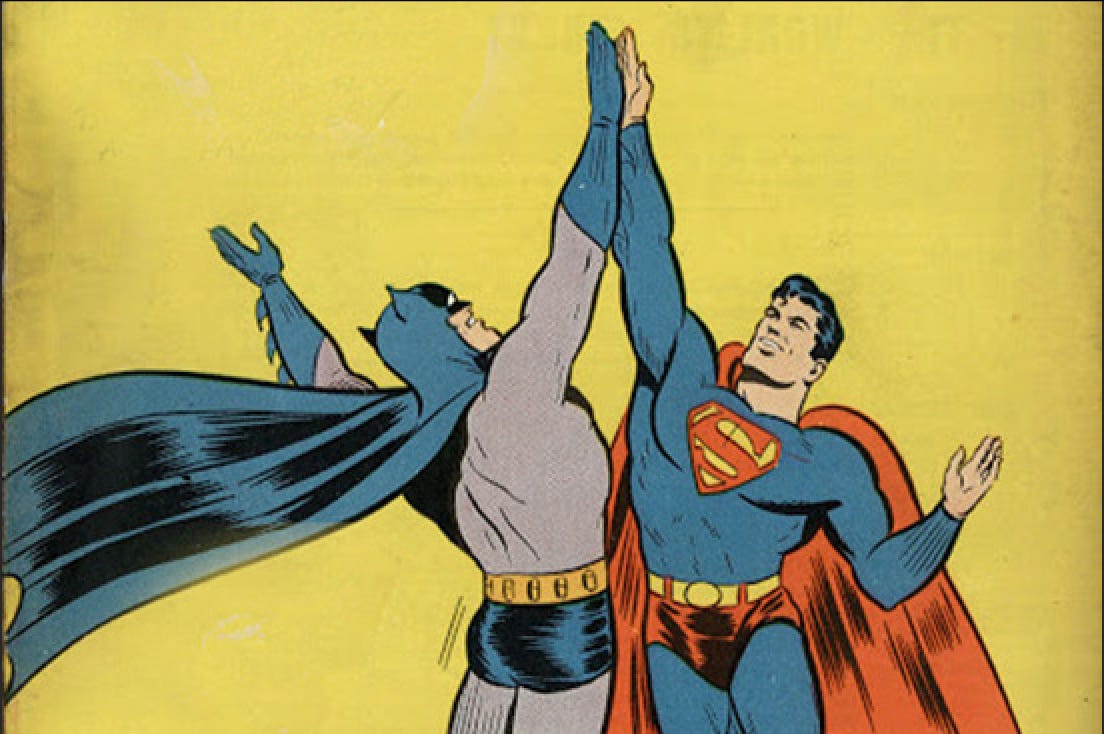
As I’ve mentioned in the last two posts, I’m working on a new project with a collaborator that I’ll call Alissa. We’ll be co-authors of a new YA graphic novel with me adapting Alissa’s non-fiction book for adults. Up to this point I’ve always enjoyed working on my own, but I have also always wanted to work with someone.
So far it’s been a great experience: we are similarly motivated to get this thing off the ground and we work really well together. We told each other that within five minutes of meeting each other we knew we wanted to do SOMETHING as a team.
However, the enthusiasm we both had didn’t address some of the initial obstacles we faced as collaborators. So here are some thing to keep in mind if you are going to be an artist-writer team, or as co-authors like we are.
Who is best at doing what? What are our shared tasks as co-authors?
For our book, Alissa has all of the subject matter knowledge. While I have read her book and listened to podcast episodes and even spent a day with her watching her teach, I don’t know as much as she does. As much work as I might put in understanding her research, I’m simply never going to be the best at turning her ideas into text. One the other hand, I have the knowledge of how graphic novels work. There’s naturally a bit of a “stay in your lane” understanding that we’ve developed so that we aren’t treading on each other’s territory. I can easily start working on something that isn’t my area of expertise when Alissa should be handling that. However, there’s also a sense that “good ideas can come from anywhere,” and we both have to be open to the other’s ideas.
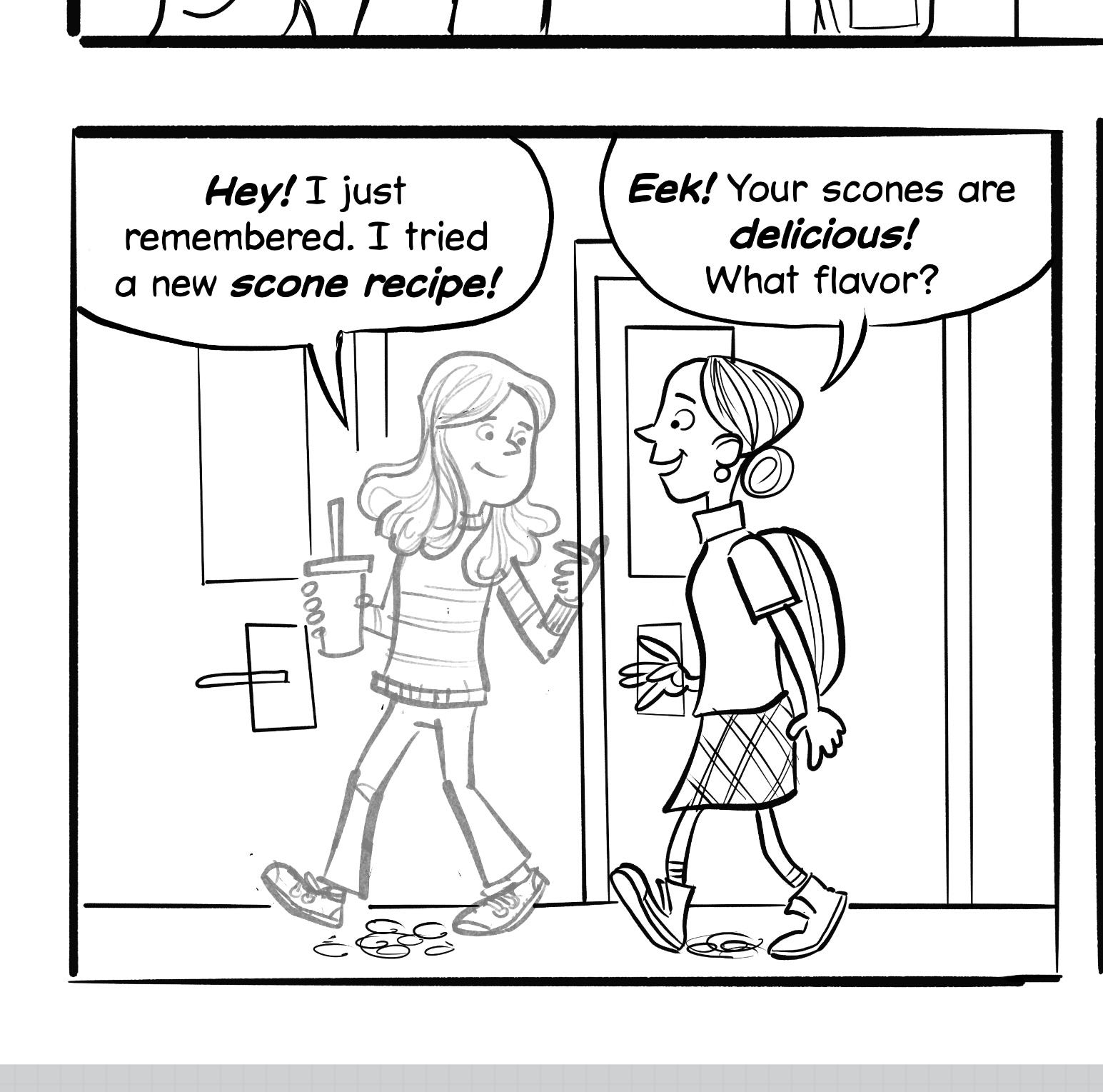
We have been working together on the dialogue. I spend most of my day with high school students so I have a good sense of how they talk. But Alissa also needs to make sure the dialogue reflects the principles from her book, so she gets to go in and sharpen it. Plus, she’s a very good editor.
However, we have both been good at being open to suggestions from the other. For example, Alissa thought that the initial design of our main character Cassie didn’t fit the project. But she was also quick to say “if you think she looks better as is, let’s go with it.” It turns out she was right: new Cassie is better than old Cassie. Since I was adapting HER work, I wanted to make sure that it looks like she wants it to and all character designs go through her. I can be precious about my work when I’m the only one involved, but I can’t when Alissa is involved.
I think at some point we’ll develop a better sense of who is best at which parts of the text and we’ll get more efficient at the process. But we haven’t worked on it long enough to find out.
Key takeaway: It takes time to decide who does what, and you have to trust the other person to do what they say they will do. However, roles do not need to be flexible. Good ideas can come from anywhere.
